2-Week Egg Diet Plan
This post contains affiliate links.
If you’ve been looking for a simple, structured way to jump-start your weight loss or reset your eating habits, the 2-Week Egg Diet Plan might have caught your eye. With its focus on hard-boiled eggs, lean protein, and non-starchy vegetables, it’s often promoted as a quick and effective short-term eating plan.
But before you grab a dozen eggs and start boiling, let’s talk about what this plan really is, what it’s not, how to do it safely, and how to make it work for your long-term health goals.
Whether you’re trying to shed a few pounds, reset your metabolism, or just want to eat cleaner for a short period of time, this friendly guide will help you understand how to get the most out of the 14-day egg diet while keeping it balanced, enjoyable, and sustainable.
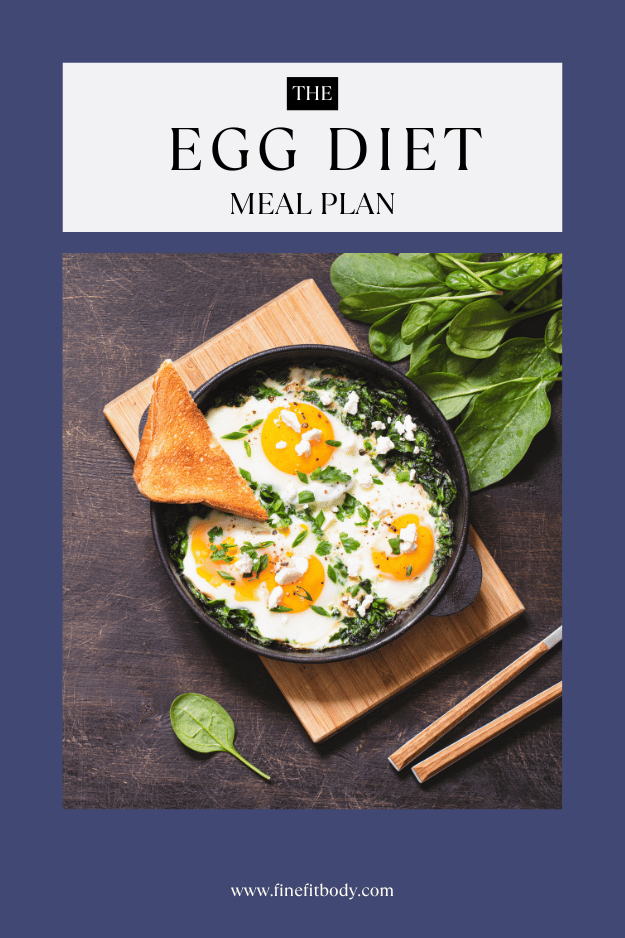
What Is the 2-Week Egg Diet Plan?
The boiled egg diet, or 2-week egg diet plan, is a short-term, low-carb diet that focuses mainly on eggs, lean proteins, low-carb fruits, and non-starchy vegetables. It’s not meant to last forever—just two weeks—to help you start losing weight and reset your eating habits.
The goal is to create a calorie deficit (eating fewer calories than you burn) while keeping you full with high-quality protein and healthy fats. Eggs are a perfect food for this—they’re packed with essential amino acids, vitamin D, vitamin E, and other important nutrients that support your immune system, energy levels, and metabolism.
However, this is a short-term plan, not a “forever” diet. Think of it as a two-week reboot for your health—a way to get results fast, then transition into a more balanced healthy lifestyle or Mediterranean-style diet afterward.
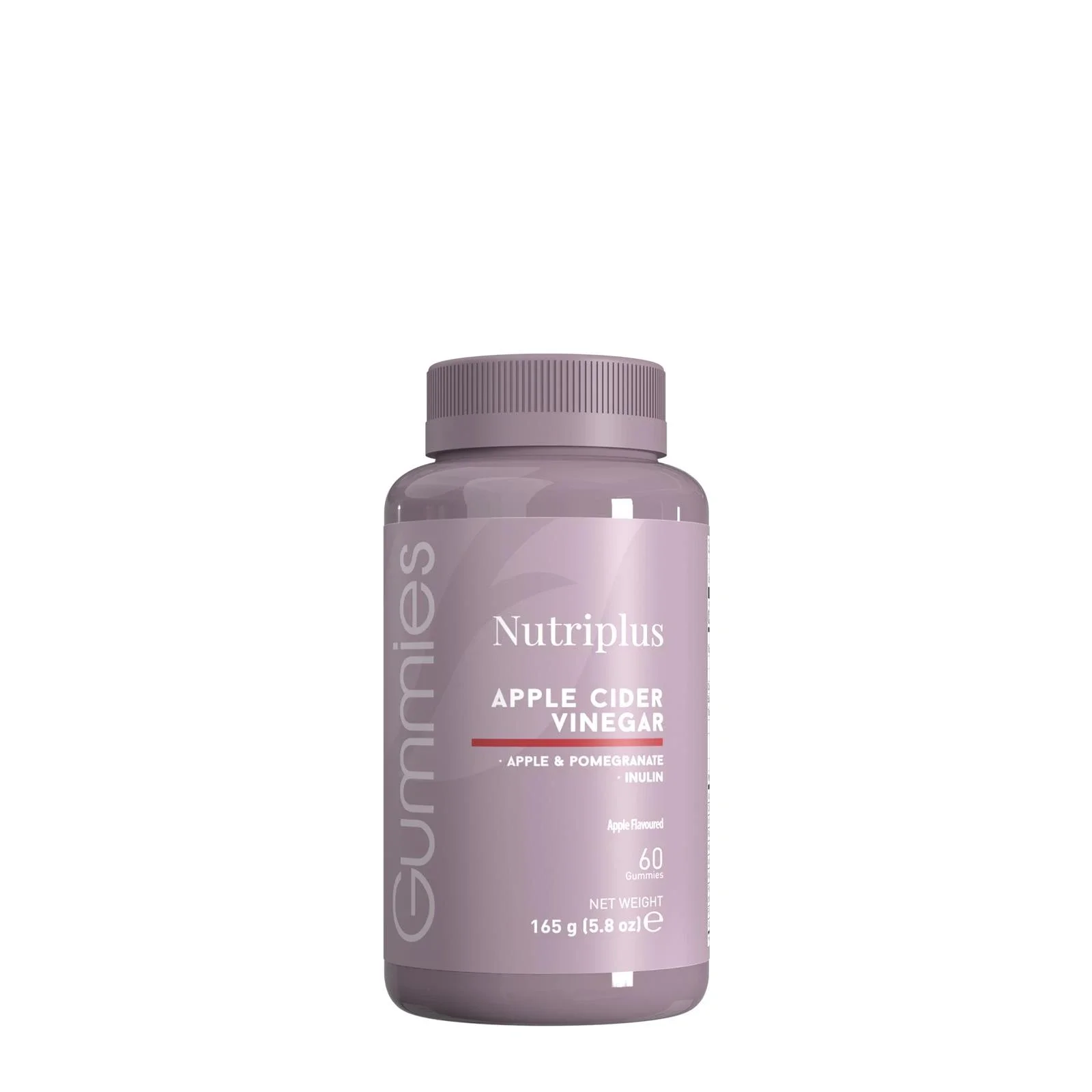
Looking to lose weight?
Start your day off with Apple Cider Vinegar Gummies.Featuring apple cider vinegar and pomegranate and fortified with Vitamin B12, these gummies are scientifically formulated to aid digestion, alleviate bloating, and support a healthy gut microbiome. Each gummy has a delicious apple flavor with no added sugar, making it a delightful way to support healthy digestion. Helps aid digestion, alleviate bloating, provide prebiotic benefits for a healthy gut microbiome, activate metabolism, and help manage cravings.
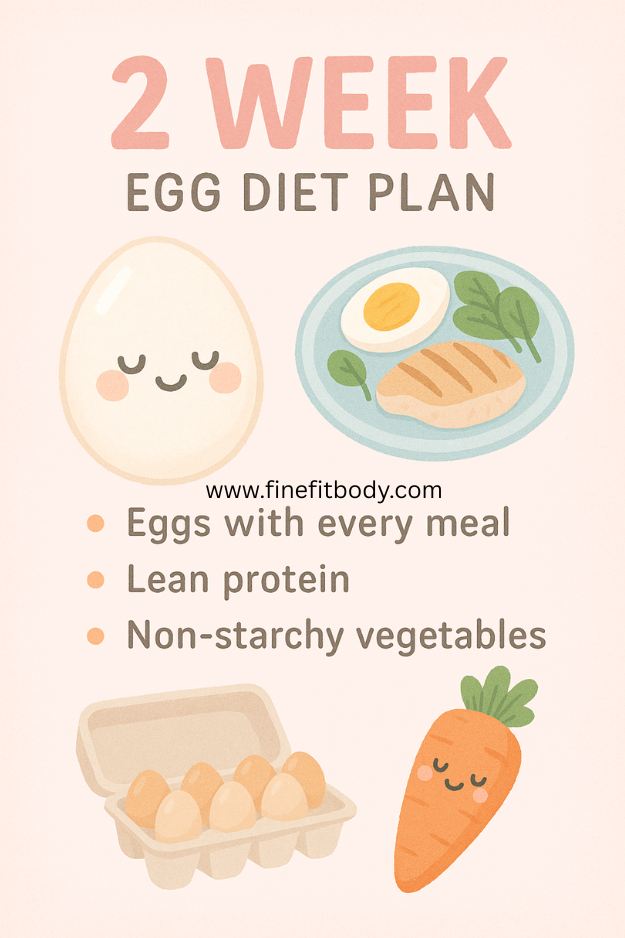
Why Eggs Are the Star of This Plan
Eggs have been called one of the most perfect foods—and for good reason! Here’s why they’re such a powerhouse in this plan:
High-Quality Protein: One large egg has about 6 grams of lean protein, containing all the essential amino acidsyour body needs to build muscle and stay energized.
Healthy Fats: Eggs provide healthy fats that help you feel satisfied and stabilize your blood sugar.
Rich in Nutrients: They’re full of vitamins like vitamin D, vitamin E, and B-vitamins, plus minerals like selenium and choline that support brain and heart health.
Low in Calories: A hard-boiled egg has only around 70–80 calories, making it perfect for a low-calorie dietwithout feeling deprived.
When paired with fresh vegetables, citrus fruits, and other nutritious foods, eggs become the heart of a balanced, simple plan that helps you feel good—inside and out.
The Benefits of a 2-Week Egg Diet Plan
While it’s not a long-term solution, the 2-week egg diet can offer some helpful short-term benefits:
1. Quick Weight Loss
Because this plan is low in carbs and calories, it encourages your body to burn stored fat for energy. You’ll likely lose weight quickly during the first week as your metabolic rate increases and water weight drops.
2. Blood Sugar Balance
Reducing sugary foods and starchy carbohydrates helps stabilize blood sugar levels. That means fewer cravings, fewer energy crashes, and a more balanced mood throughout the day.
3. Heart-Healthy Choices
When you include healthy fats (like olive oil and avocado) and non-starchy veggies, you’re supporting your heart health and reducing risk factors for cardiovascular disease.
4. High Protein = Full and Focused
With the combination of eggs, fish, chicken, and veggies, you’ll stay full longer—no constant snacking or late-night cravings.
5. Simple and Budget-Friendly
Eggs are inexpensive, easy to cook, and versatile. You can enjoy them boiled, scrambled, poached, or baked. No fancy ingredients, no complicated prep—just clean, wholesome food.
A Gentle Word of Caution
This is considered a restrictive diet, and like all short-term diets, it isn’t meant for everyone. If you have heart disease, high cholesterol, kidney disease, or a history of eating disorders, talk to your healthcare provider or a registered dietitian before starting.
You’ll be eating fewer calories and fewer carbs than usual, which can cause fatigue or headaches for some people at first. Make sure you stay hydrated and don’t follow this plan for more than 14 days.
Foods You’ll Eat on the 2-Week Egg Diet
This plan centers around nutrient-rich, whole foods that nourish your body and support weight loss in a healthy way.
Allowed Foods
Hard-boiled eggs (your main protein source)
Egg whites (for variety or lower fat)
Lean proteins: chicken breast, turkey, pork tenderloin, fish, protein shakes
Non-starchy vegetables: spinach, broccoli, cauliflower, zucchini, asparagus, kale
Low-carb fruits: grapefruit, berries, oranges, apples
Healthy fats: olive oil, avocado, nuts, seeds
Whole grains (optional): quinoa, brown rice, oats, whole grain bread in moderation
Dairy products (optional): Greek yogurt, cottage cheese, small amounts of milk or cheese
Foods to Avoid
Sugary drinks (soda, juice, sweet coffee)
White bread, pasta, pastries
Fried foods and processed snacks
High-sugar fruits like pineapple or mango
Alcohol
Sweets and desserts
How the 2-Week Egg Diet Works
The key to the boiled egg diet is balancing protein, healthy fats, and non-starchy vegetables while keeping carbs and sugar to a minimum. You’ll eat three main meals and one or two small snacks a day.
Here’s what it generally looks like:
Breakfast: Eggs + low-carb fruit (like grapefruit or berries)
Lunch: Eggs or lean protein + veggies
Dinner: Lean protein or eggs + non-starchy vegetables + small portion of healthy fat
Snacks: Small handful of nuts, Greek yogurt, or boiled egg
Most people stay around 1,200–1,500 calories per day, depending on their activity level and body size. The calorie deficit helps promote weight loss, while the high protein intake preserves lean muscle mass.
Sample 14-Day Egg Diet Meal Plan
Here’s a friendly example to help you visualize what your 2-week plan might look like. Feel free to mix and match based on your taste!
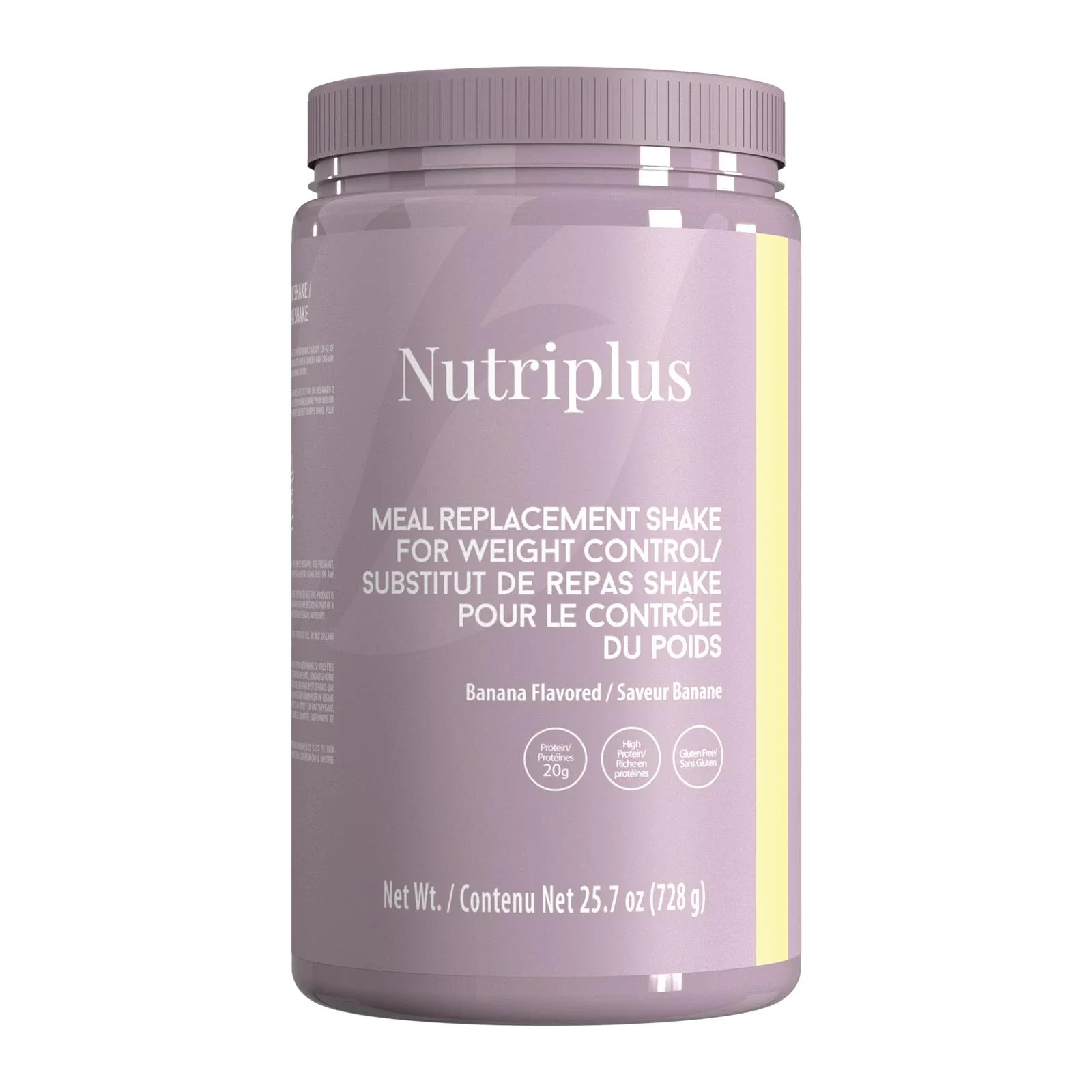
You can also substitute 1 meal a day for a protein packed meal replacement shake.
Week 1
Day 1
Breakfast: 2 hard-boiled eggs + half a grapefruit
Lunch: Grilled chicken breast with steamed broccoli and olive oil
Snack: ½ avocado sprinkled with salt and pepper
Dinner: Baked salmon with green beans and a small sweet potato
Day 2
Breakfast: 2 boiled eggs + ½ cup berries
Lunch: Tuna salad (with olive oil and lemon) on a bed of lettuce
Snack: 10 almonds
Dinner: Scrambled eggs with spinach and tomatoes
Day 3
Breakfast: 2 boiled eggs + 1 orange
Lunch: Turkey breast and roasted zucchini
Snack: Greek yogurt (unsweetened)
Dinner: Grilled shrimp with asparagus
Day 4
Breakfast: Egg white omelet with peppers and onions
Lunch: Baked chicken with a side of roasted cauliflower
Snack: ½ avocado
Dinner: Hard-boiled eggs + spinach salad with lemon and olive oil
Day 5
Breakfast: 2 boiled eggs + grapefruit
Lunch: Pork tenderloin with steamed green beans
Snack: Celery with almond butter
Dinner: Egg salad made with olive oil and diced veggies
Day 6
Breakfast: 2 boiled eggs + handful of berries
Lunch: Grilled fish and cucumber salad
Snack: Greek yogurt
Dinner: Omelet with mushrooms, kale, and a drizzle of olive oil
Day 7
Breakfast: 2 boiled eggs + orange slices
Lunch: Chicken breast with roasted vegetables
Snack: 10 walnuts
Dinner: Hard-boiled eggs + sautéed zucchini
Week 2
Day 8
Breakfast: 2 boiled eggs + grapefruit
Lunch: Grilled turkey burger (no bun) + broccoli
Snack: Cottage cheese
Dinner: Egg white scramble with mushrooms
Day 9
Breakfast: 2 boiled eggs + apple slices
Lunch: Baked salmon with spinach and olive oil
Snack: 10 almonds
Dinner: Chicken breast with cauliflower rice
Day 10
Breakfast: 2 boiled eggs + ½ orange
Lunch: Tuna salad with kale and lemon
Snack: ½ avocado
Dinner: Egg omelet with non-starchy veggies
Day 11
Breakfast: 2 boiled eggs + handful of berries
Lunch: Pork tenderloin with green beans
Snack: Greek yogurt
Dinner: Scrambled eggs + spinach salad
Day 12
Breakfast: 2 boiled eggs + grapefruit
Lunch: Grilled chicken + steamed asparagus
Snack: Walnuts
Dinner: Baked white fish + zucchini
Day 13
Breakfast: Egg white omelet + citrus fruit
Lunch: Turkey breast + roasted cauliflower
Snack: Handful of almonds
Dinner: Egg salad on a bed of lettuce
Day 14
Breakfast: 2 boiled eggs + berries
Lunch: Baked salmon with spinach and olive oil
Snack: Avocado
Dinner: Grilled chicken + mixed non-starchy veggies
Helpful Tips for Success
Here are a few easy, real-life ways to make this plan easier—and more enjoyable!
Boil eggs in batches. Make a dozen at once so you always have a grab-and-go snack ready.
Stay hydrated. Drink plenty of water and herbal tea—sometimes hunger is really thirst.
Add flavor with herbs and spices. Try paprika, black pepper, garlic powder, or lemon juice for variety.
Plan ahead. Keep healthy foods on hand so you’re not tempted by quick junk food.
Listen to your body. If you feel dizzy or overly tired, eat a small portion of healthy carbs or consult your healthcare provider.
Move your body. Pair the plan with physical activity—even light exercise like walking, yoga, or stretching helps maintain lean muscle mass and boosts your metabolic rate.
Possible Challenges (and How to Overcome Them)
1. Feeling Tired or Light-Headed
When you lower carbs, your body may need time to adjust. Stay hydrated, add an extra serving of veggies, and include a small portion of whole grains if needed.
2. Boredom with Eggs
Try them in different ways:
Hard-boiled
Poached
Scrambled with veggies
Baked egg cups (with spinach and turkey)
Variety helps keep it fun!
3. Cravings
Cravings often pass within 15 minutes. Sip water or herbal tea, distract yourself with a quick walk, or enjoy a low-carb snack like celery and hummus.
Transitioning After the 2 Weeks
Once your two weeks are up, it’s time to gradually reintroduce more foods and shift to a balanced healthy diet that supports your goals long term.
Try a Mediterranean-Style Diet
This type of eating plan includes:
Lean protein like chicken, fish, and eggs
Whole grains in moderate portions
Plenty of fruits and non-starchy veggies
Healthy fats like olive oil, nuts, and seeds
Limited processed foods and sugars
This approach is linked to better heart health, improved weight management, and lower risk of chronic diseases.
Keep the Good Habits
Continue eating protein at every meal
Drink plenty of water
Focus on fresh fruits and fiber-rich veggies
Include whole grains and healthy fats in moderation
Avoid returning to sugary or processed foods
Maintain Your Healthy Weight
Keep tracking your meal patterns and calorie intake. If your goal is weight loss, aim to stay in a small calorie deficitwhile eating a variety of foods. Regular physical activity and a positive lifestyle change will help you maintain your healthy weight without needing to go back to restrictive diets.
A Friendly Reminder About Balance
While the 2-week egg diet plan can be a great way to kickstart your journey, remember:
It’s a short-term diet, not a permanent lifestyle.
It’s meant to help you rebuild better food choices, not eliminate entire food groups forever.
It can help you reset your habits, reduce cravings, and reconnect with real food—but the goal is always balance.
There’s no “perfect” plan that works for everyone. Your success will come from finding what fits your life, your schedule, and your body.
Final Thoughts: A Simple Way to Start Fresh
The 2-Week Egg Diet Plan can be a great short-term tool for improving your nutrition, losing weight, and feeling more energized. The mix of high-quality protein, healthy fats, and non-starchy vegetables gives your body the nutrients it needs without overloading it with sugar or empty carbs.
But what really makes it work is your mindset. When you see this not as a strict “fad diet,” but as a two-week commitment to your health, it becomes empowering—not restrictive.