Best Dandruff Shampoo for African American Hair
This post contains affiliate links.
If you’ve ever dealt with a dry, itchy scalp that leaves tiny white flakes on your beautiful curls or braids, you’re not alone. Dandruff is one of those frustrating scalp conditions that shows up at the worst possible time—right after you’ve done your twist-out or laid your edges perfectly.
As an African American woman with textured hair, finding the best dandruff shampoo isn’t as simple as grabbing any anti-dandruff bottle off the shelf. Our hair needs extra moisture, gentle cleansing, and protection from breakage—and many traditional dandruff shampoos are way too harsh for that balance.
The good news? You can manage dandruff without drying out your curls or stripping your color. You just need to know what ingredients to look for, how often to wash, and which products truly nourish your scalp.
And after trying countless shampoos over the years, two of my go-to’s that have actually helped my scalp feel clean, hydrated, and flake-free are:
Farmasi Dr. C. Tuna Hydrating Shampoo
Farmasi Dr. C. Tuna Intensive Repair Shampoo
Let’s talk about why these are must-haves and how to build your perfect wash-day routine for a healthy, happy scalp.
Understanding Dandruff and Scalp Issues
Before you can fix dandruff, it helps to understand what’s really going on up there.
Dandruff is usually caused by a combination of:
Excess oil (sebum) on the scalp
A fungal infection (like Malassezia, which feeds on that oil)
Or a skin condition such as seborrheic dermatitis or dry scalp
When your scalp overproduces oil—or when the yeast that naturally lives there grows too much—you get flakes, itchiness, and irritation.
For African American hair, this can be even trickier. Why?
Because our scalps tend to be naturally drier, while our hair strands crave moisture. That means we often go longer between washes to preserve natural oils. Unfortunately, that also gives dandruff more time to develop if your scalp isn’t being cleansed and moisturized properly.
Why Moisture Balance Matters for Black Hair
If you’ve ever tried an anti-dandruff shampoo only to end up with dry, brittle hair, you’ve seen the problem firsthand. Many medicated shampoos use strong ingredients like selenium sulfide or coal tar that can help with flakes—but strip away your hair’s moisture barrier in the process.
Black hair thrives on hydration, not harsh chemicals.
That’s why balancing moisture while fighting dandruff is key.
When your scalp is hydrated, you’ll notice:
Fewer visible flakes
Less itching and irritation
Softer, shinier strands
Stronger hair follicles
This is exactly where Farmasi’s Dr. C. Tuna line comes in—they formulated these shampoos with botanical oils, antioxidants, and natural hydrators that cleanse the scalp without making it feel tight or dry.
Active Ingredients That Actually Help
You’ve probably seen names like salicylic acid, pyrithione zinc, or coal tar on dandruff shampoo bottles. These are the most common active ingredients that dermatologists recommend to control flakes.
Here’s a quick breakdown of what each does:
Salicylic acid: Gently exfoliates dead skin cells and helps prevent buildup on the scalp.
Pyrithione zinc: Fights the yeast and bacteria that cause dandruff and irritation.
Coal tar: Slows down skin cell production to prevent flaking (but can be drying on textured hair).
Tea tree oil: A natural anti-fungal and soothing essential oil that helps calm irritation.
Aloe vera: Moisturizes and soothes itchy, dry scalps.
Peppermint oil: Improves blood flow and leaves a cooling, refreshing sensation.
The key is finding a formula that includes these benefits without damaging your strands or fading your color.
Why Harsh Chemicals Make Things Worse
For African American hair, sulfates and strong medicated formulas can cause more harm than good. These shampoos can strip your scalp’s protective oils, leaving you with dry, brittle strands that break easily.
That’s why it’s so important to choose ph-balanced shampoos and natural ingredients that respect your curl pattern and scalp barrier.
Avoid shampoos loaded with:
Sulfates (like sodium lauryl sulfate)
Parabens
Alcohol-based formulas
Strong fragrances
Instead, look for gentle formulas like those from Farmasi that hydrate as they cleanse.
Farmasi Dr. C. Tuna Hydrating Shampoo – Deep Moisture Meets Scalp Relief
This is honestly one of my favorite shampoos for dry scalp and brittle hair.
The Dr. C. Tuna Hydrating Shampoo is a moisturizing powerhouse packed with:
Hyaluronic Acid – draws moisture into the scalp and keeps it hydrated all day.
Rambutan seeds – rich in antioxidants to protect hair from pollution and UV rays.
Baobab oil – deeply nourishes and restores elasticity to curls.
Patch20 and macadamia oil – provide extra hydration and shine without weighing hair down.
A unique botanical oil blend – that shields color and texture from UV damage.
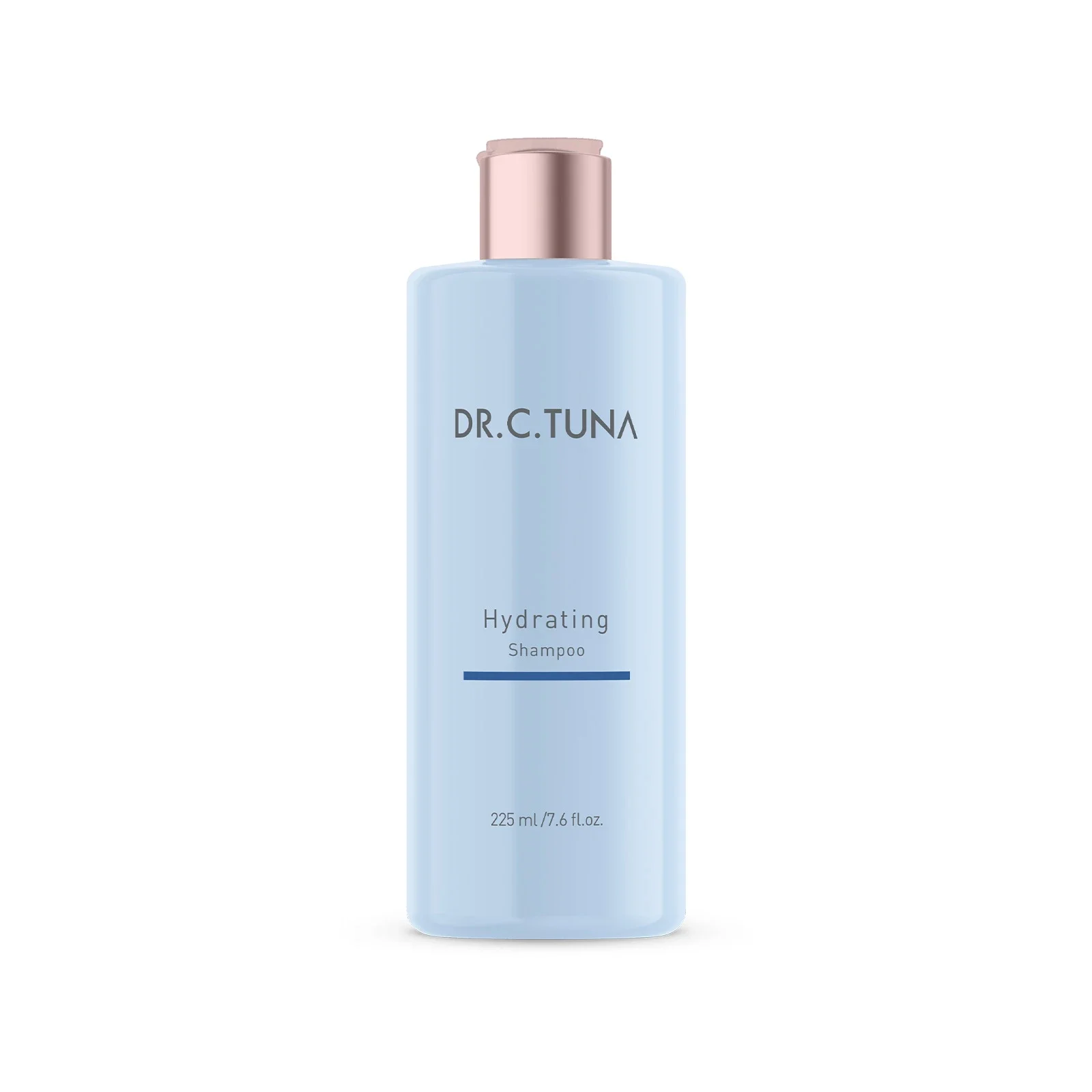
What I love most about this shampoo is that it’s formulated for daily use but still feels gentle. You can use it even on sensitive scalps or color-treated hair.
From the first wash, your hair feels smoother, softer, and refreshed—without that stripped, squeaky feeling. It also helps control visible flakes while giving your hair a healthy, luminous glow.
Farmasi Dr. C. Tuna Intensive Repair Shampoo – Strength + Shine
If your hair is damaged, processed, or brittle, this one’s your best friend.
The Dr. C. Tuna Intensive Repair Shampoo helps strengthen follicles, seal split ends, and restore shine to overworked hair.
It’s infused with:
Nourishing plant oils
Amino acids that repair the hair shaft
Hydrating ingredients to bring dry strands back to life
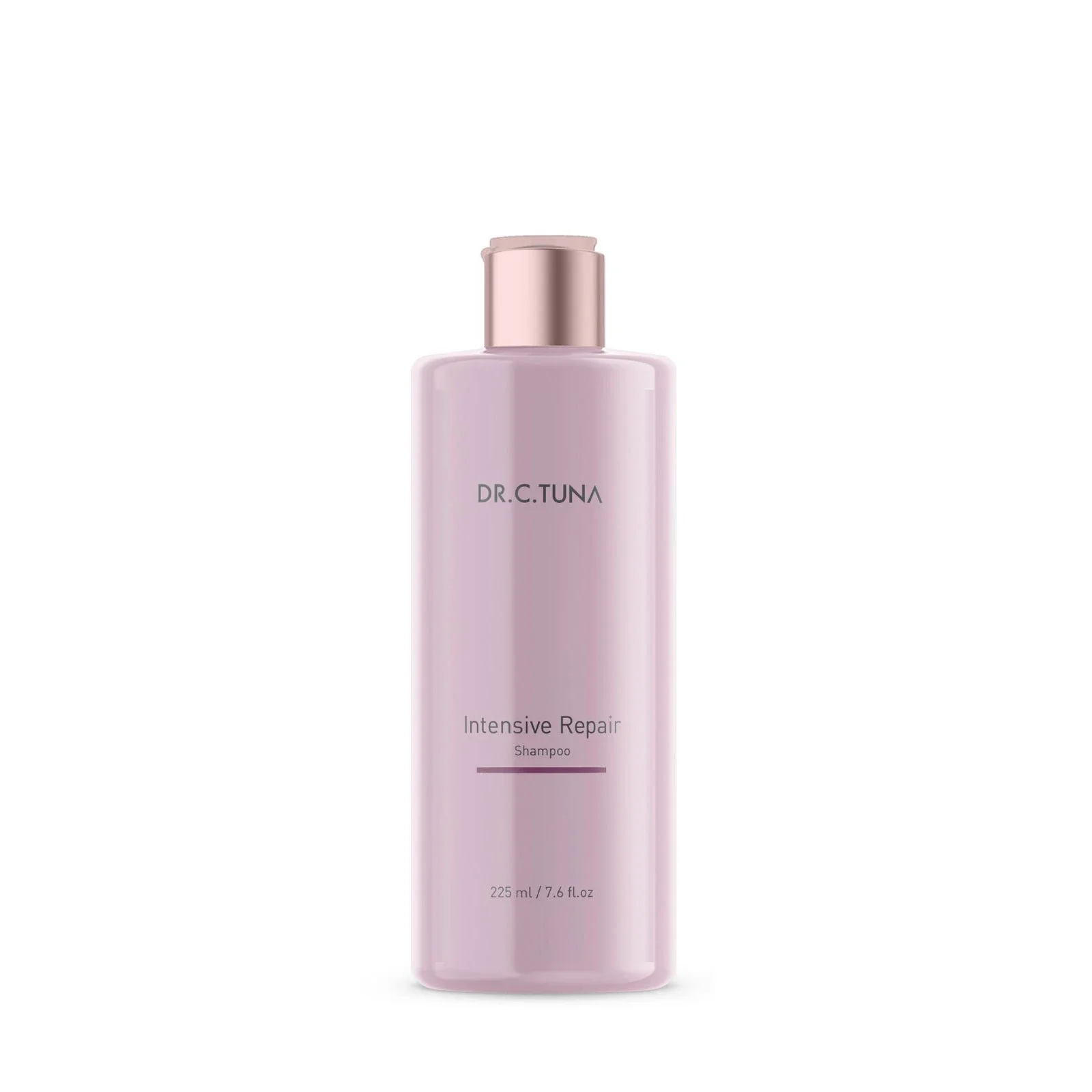
It’s perfect for anyone who uses heat tools, color, or protective styles like braids and sew-ins. It repairs while you cleanse, helping to renew the vitality of processed hair.
Use this shampoo once or twice a week as part of your repair and restore routine, and you’ll notice a visible difference in strength and smoothness.
Natural Oils That Support Scalp Health
To get the most out of any anti-dandruff shampoo, pair it with natural oils that moisturize the scalp between wash days. Some great options include:
Coconut oil: Fights dandruff-causing fungi while keeping the scalp soft.
Olive oil: A great treatment for dry scalp and dull strands.
Tea tree oil: Helps reduce itching and inflammation caused by seborrheic dermatitis.
Peppermint oil: Boosts circulation and gives that soothing tingle.
Shea butter: Locks in moisture and protects from harsh weather.
After using your Farmasi shampoo, apply a light scalp oil blend to keep hydration balanced. This step makes a big difference for afro hair that tends to get dry quickly.
Building a Scalp-Friendly Hair Care Routine
Here’s a simple dandruff care routine that works well for African American hair:
1. Pre-Wash Scalp Treatment
Use aloe vera gel or diluted apple cider vinegar as a pre-cleanse. It helps loosen dead skin cells and restore the scalp’s pH before shampooing.
2. Gentle Cleanse with Hydrating Shampoo
Start with Dr. C. Tuna Hydrating Shampoo for a moisturizing wash that soothes dry scalp. Focus on your scalp, not your strands.
3. Deep Repair Treatment
Follow up with Dr. C. Tuna Intensive Repair Shampoo once or twice a week if your hair feels weak or over-processed.
4. Condition and Moisturize
Use a lightweight, silicone-free conditioner or a hair mask rich in shea butter and natural oils.
5. Lock in Moisture
After rinsing, seal moisture with a blend of coconut oil or baobab oil.
6. Protective Styling
If you’re rocking twists, braids, or a bun, remember to keep your scalp clean and avoid tight rubber bands that cause friction.
With consistent use, you’ll notice a significant improvement in dandruff flakes, scalp comfort, and shine.
Common Mistakes to Avoid
Even with the right products, a few bad habits can sabotage your progress. Here’s what to watch for:
Washing too infrequently: Waiting too long between washes can lead to buildup and flakes.
Using too much product: Heavy creams and oils can clog the scalp.
Skipping patch tests: If you have sensitive skin, always patch-test new products to avoid allergic reactions.
Neglecting protective styles: Clean your scalp even with braids or wigs to prevent fungal infection.
Using harsh tools: Avoid scratching your scalp with nails or sharp hair tools—this can worsen irritation.
Expert Tips from Dermatologists
According to board-certified dermatologists, the primary cause of dandruff is overgrowth of yeast on the scalp. They recommend:
Washing regularly with a gentle anti-dandruff shampoo
Rotating between different ingredients (like salicylic acid and pyrithione zinc)
Avoiding excessive oils on the scalp
Using conditioners designed for sensitive scalps
When in doubt, consult a healthcare professional—especially if you notice trouble breathing, swelling, or severe itching, which can signal an allergic reaction.
Maintaining Healthy Scalp Under Protective Styles
Protective styles are great for hair growth, but they can trap extra oil and dead skin cells if not cleaned properly.
Here’s what I do:
Dilute shampoo with water and apply it directly to my scalp using an applicator bottle.
Rinse with lukewarm water and follow with a light oil.
Use a scalp spray made with aloe or tea tree water between washes.
A clean, hydrated scalp under your protective style will reduce dandruff flakes and keep your hair smelling fresh.
How to Tell If It’s Dandruff or Dry Scalp
They may look similar, but here’s the difference:
Dry scalp: Small, white flakes, tightness, and itching (especially in winter).
Dandruff or seborrheic dermatitis: Larger yellowish flakes, oily patches, and redness.
Both can exist together, which is why hydration and gentle exfoliation are so important.
My Personal Routine for Best Results
Here’s what a typical wash day looks like for me when my scalp feels itchy or flaky:
Pre-treat with aloe vera gel and massage it in.
Wash with Dr. C. Tuna Hydrating Shampoo to gently remove buildup.
Rinse and apply Dr. C. Tuna Intensive Repair Shampoo to strengthen strands.
Follow with a deep conditioner.
Apply leave-in conditioner and seal with macadamia oil or olive oil.
Style and protect—usually a twist-out with mousse or soft bun.
After a few weeks of this routine, I noticed fewer flakes, less itching, and shinier curls that actually felt hydrated.
Final Thoughts: Healthy Scalp, Beautiful Hair
When it comes to finding the best dandruff shampoo for African American hair, it’s all about balance—cleaning the scalp without stripping it, moisturizing without clogging, and treating dandruff without damaging your curl pattern.
The Farmasi Dr. C. Tuna Hydrating Shampoo and Dr. C. Tuna Intensive Repair Shampoo deliver that perfect mix of nourishment, protection, and results. With consistent use, your scalp can feel soothed, your hair will regain its natural luster, and those stubborn flakes will become a thing of the past.
Whether you’re dealing with seborrheic dermatitis, dry scalp, or occasional dandruff flakes, remember: consistency and gentle care always win.
A healthy scalp = happy curls.