The best oils for low porosity hair- what to pick
This post contains affiliate links.
Understanding Low Porosity Hair (Why Oils Feel Tricky)
Understanding hair porosity is crucial for building an effective hair care routine. If you've noticed that hair products sit on top of the hair instead of absorbing, or your hair takes forever to dry, you likely have low-porosity hair. This hair type needs special consideration when choosing oils, as the tightly sealed cuticle layer makes moisture absorption challenging.
Low-porosity hair means the hair cuticle—specifically the cuticle layer—is tightly packed and lies very flat. This makes it harder for moisture, oils, and treatments to penetrate the hair shaft and hair fiber.
Your hair’s porosity directly affects:
Moisture absorption
How oils sit on the surface of the hair
How long products take to absorb
Whether your hair feels hydrated or coated
With low porosity hair, the challenge isn’t lack of oil—it’s getting moisture into the hair strands, not just sitting on the top of the hair.
This is why heavy oils, large molecules, and thick butters can cause:
Product buildup
A greasy appearance
Dry hair despite using oils
Hair that feels coated instead of nourished
So the goal is lightweight oils, used in small amounts, paired with warmth and water.
Why the “Right Oil” Matters for Low Porosity Hair
Low porosity hair already produces natural sebum, so piling on heavy oils like Jamaican black castor oil, mineral oil, or excessive coconut oil can actually block moisture.
The right oil for low porosity hair should:
Have small molecular structure
Be rich in fatty acids like linoleic acid
Support moisture retention without sealing hair shut
Absorb easily into damp hair or wet hair
Enhance shine without buildup
That’s why light oil choices consistently outperform heavy oils for this hair type.
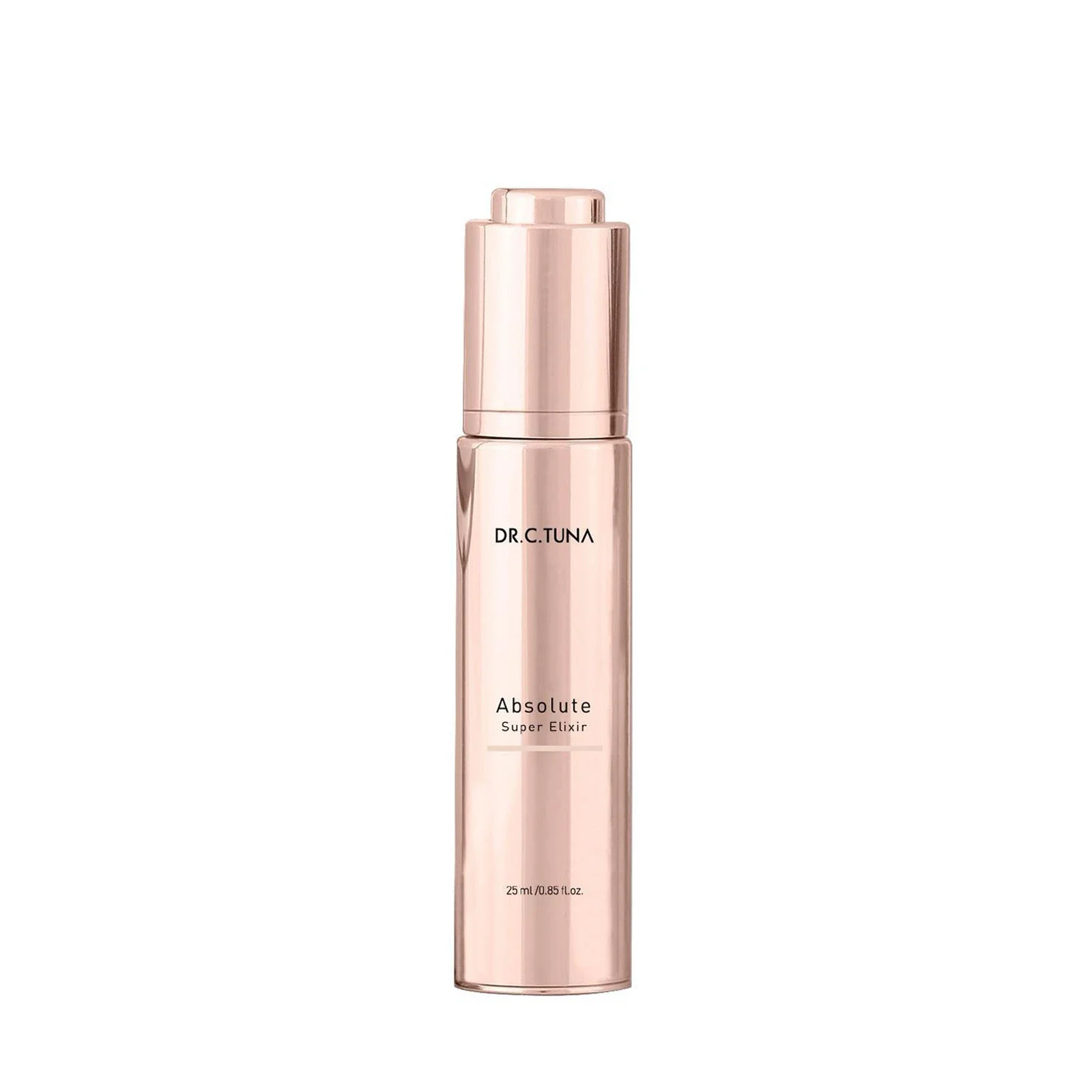
A light and nourishing oil formulated with 100% natural extracts that hydrates, protects, and restores both skin and hair. Its silky texture absorbs quickly without leaving a greasy feeling, giving a luminous, healthy finish. “Radiant, healthy-looking skin.” Reinforces the hydrolipidic barrier with long-lasting hydration. Beautifies hair from roots to ends, softens it, and eliminates frizz.
Best Oils for Low Porosity Hair (What Actually Works)
1. Argan Oil – A Top Tier Choice
Argan oil is one of the best hair oils for low porosity hair because it’s lightweight, fast-absorbing, and rich in vitamin E, ferulic acid, and essential fatty acids.
Why it works:
Penetrates without coating
Smooths the hair cuticle
Supports scalp health
Improves hair’s ability to retain moisture
This oil is widely sourced from regions like Saudi Arabia and parts of North Africa, including Côte d’Ivoire, where argan-based blends are common in traditional hair care.
2. Jojoba Oil – Closest to Natural Sebum
Jojoba oil closely mimics your scalp’s natural sebum, making it one of the most appropriate hair oil options for low porosity hair.
Benefits:
Absorbs easily into hair follicles
Supports blood circulation to the scalp
Helps balance oil production
Doesn’t cause greasy buildup
This is a fantastic oil for scalp massages, especially if you’re focused on healthy hair growth.
3. Grapeseed Oil – Lightweight and Powerful
Grapeseed oil is a hidden gem for low-porosity hair oils. It’s high in linoleic acid, extremely lightweight, and ideal for sealing in moisture without suffocating the cuticle.
Why it shines:
Perfect for the LOC method
Supports moisture retention
Adds shine without heaviness
Works beautifully on curly hair
4. Sweet Almond Oil – Gentle but Effective
Sweet almond oil is another light oil rich in vitamin E and beneficial fatty acids. It smooths the cuticle layer while keeping hair flexible and soft.
Best for:
Leave-in treatments
Softening dry ends
Enhancing shine
Daily use in small amounts
5. Rosehip Oil – Nutrient-Filled and Fast Absorbing
Rosehip oil is packed with antioxidants and penetrates quickly, making it ideal for low porosity hair that resists heavy products.
It supports:
Hair health
Scalp balance
Damage repair
Improved elasticity
6. Baobab Oil – Lightweight with Big Benefits
Baobab oil offers deep nourishment without heaviness. It’s popular in regions like Cape Verde, South Sudan, and the Cook Islands, where nutrient-filled oils are traditionally used to protect hair from harsh climates.
Why it works:
Improves moisture absorption
Softens hair fiber
Enhances elasticity
Doesn’t clog the cuticle
Oils to Use With Caution on Low Porosity Hair
Some oils aren’t bad—they just need special consideration.
Coconut Oil
Yes, coconut oil can penetrate the hair shaft, but for low porosity hair, it often causes stiffness and dryness over time due to protein sensitivity.
Use sparingly, and never on dry hair.
Olive Oil
Olive oil has larger molecules and works better for high-porosity hair. On low porosity strands, it often sits on the surface and contributes to buildup.
Jamaican Black Castor Oil
Amazing for scalp treatments—but too heavy for sealing moisture on low porosity hair strands.
Why Farmasi Revitalizing Oil Works So Well for Low Porosity Hair
Farmasi Revitalizing Oil stands out because it blends lightweight carrier oils, essential oils, and natural ingredientsdesigned to nourish without suffocating the hair cuticle.
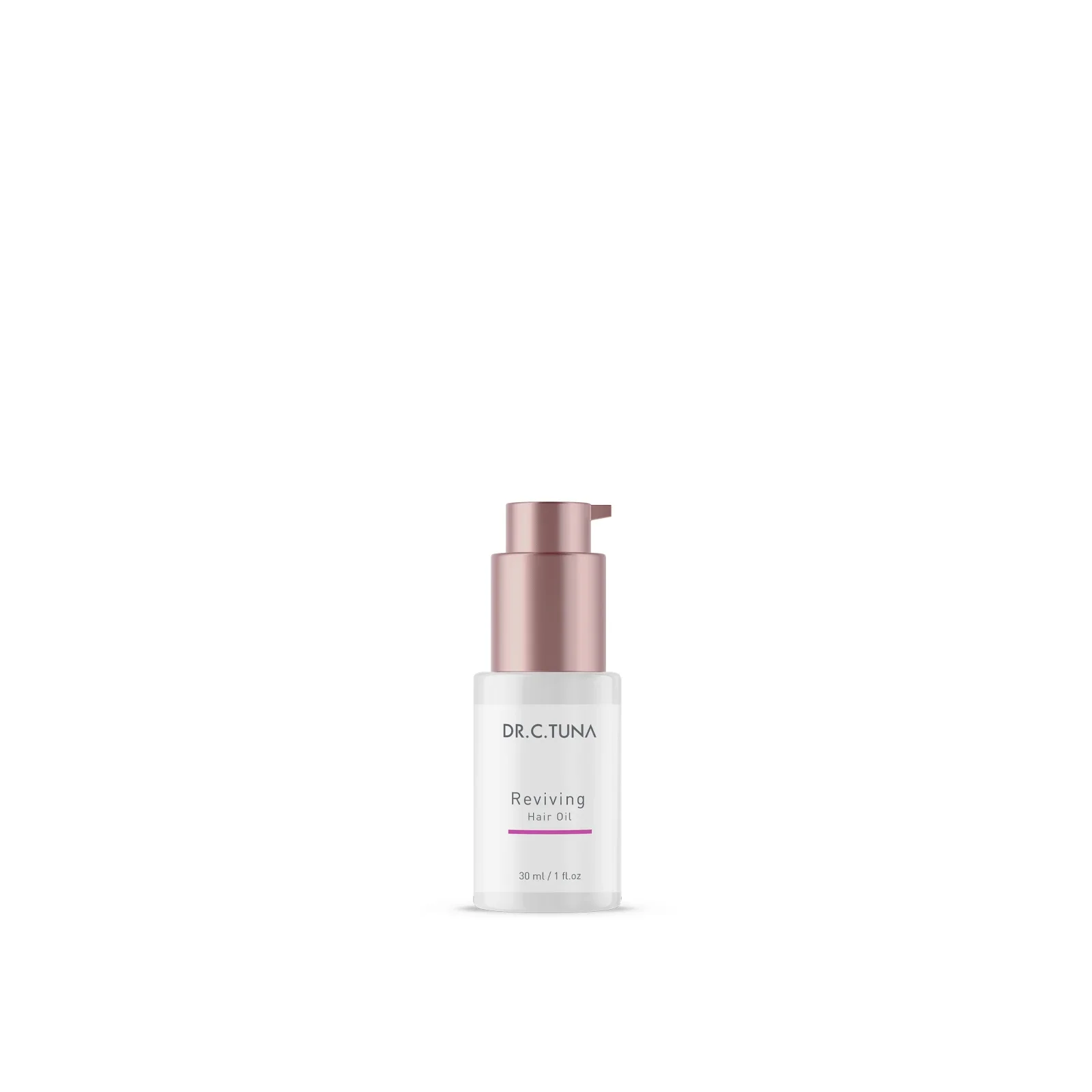
What Makes It Ideal:
Balanced blend of nutrient-filled oils
Absorbs better than traditional heavy oils
Supports scalp health and blood circulation
Enhances shine without greasy appearance
It works beautifully as:
A sealing oil in the LOC method
A finishing oil on damp hair
A scalp oil when massaged lightly
How to Use Oils Correctly on Low Porosity Hair
Always Start With Water
Water—not oil—is the true moisturizer. Apply oils only to:
Damp hair
Wet hair
Hair that’s just been rinsed with warm water
Use Heat Strategically
Heat gently lifts the cuticle layer, allowing oils to penetrate.
Try:
A warm towel wrap
A heat cap
A shower cap + warm towel combo
This is especially effective during a deep conditioning treatment.
LOC vs LCO Method for Low Porosity Hair
Low porosity hair typically responds better to the LCO method:
Liquid (water or leave-in)
Cream
Oil (light oil like Farmasi Revitalizing Oil)
These techniques work for any type of hair but originated in the curly hair community:
LOC Method: Liquid (leave-in conditioner), Oil (lightweight oil), Cream (styling cream)
LCO Method: Liquid, Cream, Oil
For low-porosity hair, the LCO method often works better because applying cream before oil helps seal moisture from both layers. Always use your lightest oil.
This prevents oils from blocking moisture absorption too early.
How Much Oil Is Too Much?
With low porosity hair, small amounts go a long way.
Think:
A few drops for the entire head
Focus on ends, not roots
Avoid layering multiple oils
More oil ≠ more moisture.
Scalp Health & Essential Oils
Adding essential oils like:
Peppermint oil
Tea tree
to a lightweight carrier oil can improve scalp health, reduce buildup, and boost blood circulation—just keep concentrations low.
Oils to Avoid or Use Carefully
Coconut Oil
Coconut oil works wonders for high-porosity hair but can be problematic for low-porosity hair. Its large molecules struggle to penetrate the tight cuticle layer. When used on low-porosity hair, coconut oil sits on top, creating buildup and making hair feel stiff.
If you experiment with coconut oil, use very small amounts mixed with lighter carrier oils, or as a pre-shampoo treatment thoroughly washed out with warm water.
Jamaican Black Castor Oil
Jamaican black castor oil is thick and nutrient-dense, but this is one of the heavy oils that can overwhelm low-porosity hair. While its ricinoleic acid supports scalp health and blood circulation, its thick consistency prevents absorption.
To incorporate castor oil benefits, apply only to your scalp or mix small amounts with lighter oils. Never apply pure castor oil to the length of low-porosity hair.
Olive Oil and Avocado Oil
Olive oil is moderately heavy and coats the hair shaft rather than penetrating it. While it contains beneficial fatty acids and vitamin E, its molecular size suits high-porosity hair better. Avocado oil is slightly lighter and may work when used sparingly on damp hair.
Mineral Oil
Mineral oil is petroleum-derived and forms a barrier on the hair surface without nutrition. For low-porosity hair that already struggles with absorption, mineral oil prevents moisture from entering the hair shaft. Natural oils always offer better benefits than mineral oil for genuine hair health improvements.
Application Techniques for Best Results
Pre-Shampoo Treatment
Apply lightweight oils before shampooing to protect hair from harsh cleansing while allowing thorough removal of excess oil. Apply your chosen oil to dry hair, focusing on length and ends. Cover with a warm towel or shower cap for 15-30 minutes, then shampoo with warm water.
Heat-Enhanced Deep Conditioning Treatment
Low-porosity hair responds well to heat because warmth temporarily opens the cuticle layer. Mix your deep conditioner with a small amount of lightweight oil, apply to clean damp hair, and cover with a shower cap. Apply indirect heat using a warm towel or heat cap for 20-30 minutes for extra moisture.
Scalp Treatments
Scalp health is fundamental to hair health. Massage lightweight oils directly into the scalp to nourish hair follicles and improve blood circulation. Use jojoba oil or Farmasi Revitalizing Oil weekly, working in small amounts with gentle circular motions to distribute natural sebum along hair strands.
Essential Oils for Additional Benefits
Essential oils provide supplementary benefits for scalp health when diluted in carrier oils. Peppermint oil improves blood circulation when applied to the scalp. Tea tree oil offers antimicrobial properties for a healthy scalp environment.
Never apply essential oils directly—always dilute a few drops in lightweight carrier oils like grapeseed oil or sweet almond oil. This provides both penetrating benefits and therapeutic properties without overwhelming your hair.
Building Your Hair Care Routine
Creating an effective routine for low-porosity hair requires patience and observation. Start with one lightweight oil and monitor results over several weeks.
Key principles:
Use less product: Low-porosity hair needs smaller amounts. Start with a few drops and increase only if needed.
Stay consistent: Your hair's ability to maintain moisture improves with consistent routines rather than constant product switching.
Use heat: Regular warm water washes, warm towel treatments, or a heat cap help low-porosity hair receive maximum benefits.
Observe your hair: If you notice buildup or greasiness, adjust your routine. You might be using too much oil or not clarifying enough.
Clarify regularly: Even with the best oils, periodic clarifying treatments remove buildup and allow products to work effectively.
Adjusting for Your Hair Type
Your overall hair type and texture influence product selection. Curly hair tends to be naturally drier because natural sebum struggles traveling down curved hair strands. Even with low porosity, curly-haired individuals might need slightly richer oils or more frequent treatments.
If dealing with dry hair and low porosity, focus on moisture retention strategies and incorporate leave-in treatments and regular deep conditioning sessions. Find the right amount of hydration—enough to nourish without buildup.
Final Thoughts: Choosing the Best Oils for Low Porosity Hair
Low porosity hair doesn’t need more oil—it needs the right oil, used the right way, at the right time.
Stick to:
Lightweight oils
Fast-absorbing formulas
Heat-assisted application
Minimal layering
When used correctly, oils like argan oil, jojoba oil, grapeseed oil, sweet almond oil, and Farmasi Revitalizing Oil can transform your hair from coated and dry to soft, shiny, and truly moisturized.
Remember that hair care is a journey requiring patience and experimentation. What works for others might need adjustment for your unique needs. With the right amount of hydration, appropriate hair oils, and consistent care, your low-porosity hair can become strong, resilient, and beautifully nourished