The Best Vegetarian Intermittent Fasting Meal Plan
This post contains affiliate links.
Intermittent fasting continues to grow in popularity—and with good reason. Research shows that combining a plant-based diet, calorie awareness, and strategic periods of eating may support weight loss, improve insulin sensitivity, and enhance metabolic health over time. When you marry the principles of a vegetarian diet plan with an intermittent fasting meal plan, you’re creating an eating style that supports blood sugar control, heart health, and gentle calorie reduction without feeling deprived.
This guide is a full breakdown of the best vegetarian intermittent fasting diet plan, including simple meals, a structured intermittent fasting 7-day meal plan, a full grocery list, and tips for making the plan sustainable for your lifestyle. Whether your goal is healthy weight, improved energy levels, or better overall nutritional needs, this guide gives you everything you need to get started.
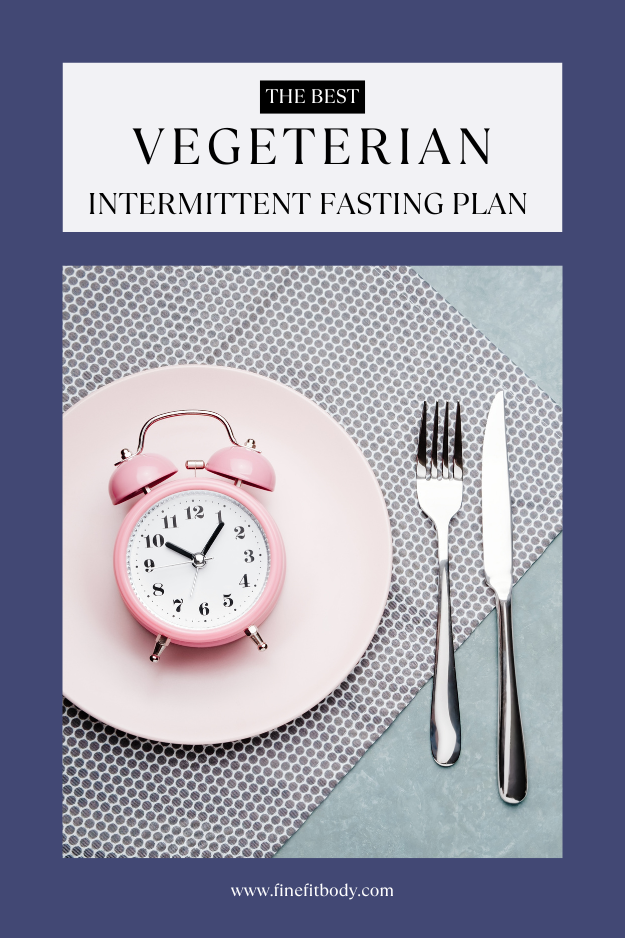
Why Vegetarian Intermittent Fasting Works
A balanced vegetarian weight-loss meal plan rooted in whole, nutrient-dense foods naturally aligns with many benefits of fasting. A typical vegetarian lifestyle already emphasizes whole grains, plant-based proteins, plant-based foods, and healthy fats, which pair beautifully with the structured eating window that intermittent fasting requires.
When you follow an intermittent fasting eating pattern, your body cycles between periods of eating and periods of fasting. Popular styles include the 8-hour window (16:8 fasting schedule), alternate day fasting, 14:10, and even 20:4 for more advanced fasters. Most people find success with the 16:8 intermittent fasting diet plan, which includes a 16-hour fasting window and an 8-hour eating window.
Benefits of Intermittent Fasting for Vegetarians
Many vegetarians report:
A more natural calorie-controlled diet
Easier weight management and fat reduction
Stable blood sugar levels
Improved energy levels
Reduced risk of heart disease
Enhanced cellular repair during fasting stages
Better mental clarity and brain function
Reduction in cravings during periods of eating
Pairing these benefits with a plant-based diet—high in fiber, g carbohydrates, vitamins, minerals, and essential nutrients—creates a powerful structure for improved overall health.
Intermittent Fasting Meal Plan for Vegetarians: How It Works
A vegetarian intermittent fasting diet plan is simple:
Choose an eating window.
Most beginners choose an 8-hour window (for example, 12 PM to 8 PM).Hydrate during fasting.
You may enjoy herbal teas, black coffee, and water. Avoid calories—liquid or solid—during the fasting period.Plan balanced meals.
Focus on whole foods such as beans, lentils, whole grains, nuts, seeds, vegetables, fruit, and plant-based proteins.Meet your nutritional needs.
This includes g protein, fat, carbohydrates, fiber, and essential vitamins such as vitamin B.Practice gentle calorie awareness.
You shouldn’t aim for extreme restriction. Instead, choose meals that leave you satisfied but within your healthy calorie intake range.Incorporate daily exercise.
Even light movement supports your metabolic health during fasting.
Because fasting reduces the total hours of the day when you consume food, this eating plan naturally encourages a manageable eating pattern and healthy weight loss.
A Note on Health Conditions
Before starting any eating plan, speak with a healthcare provider if you have medical conditions, including:
High blood pressure
Diabetes or blood sugar sensitivity
Thyroid disorders
Eating disorders
Pregnancy or breastfeeding needs
Chronic health conditions
Intermittent fasting can be beneficial, but it should be practiced with care depending on your overall health conditions.
How Farmasi Supplements Support Vegetarian Intermittent Fasting
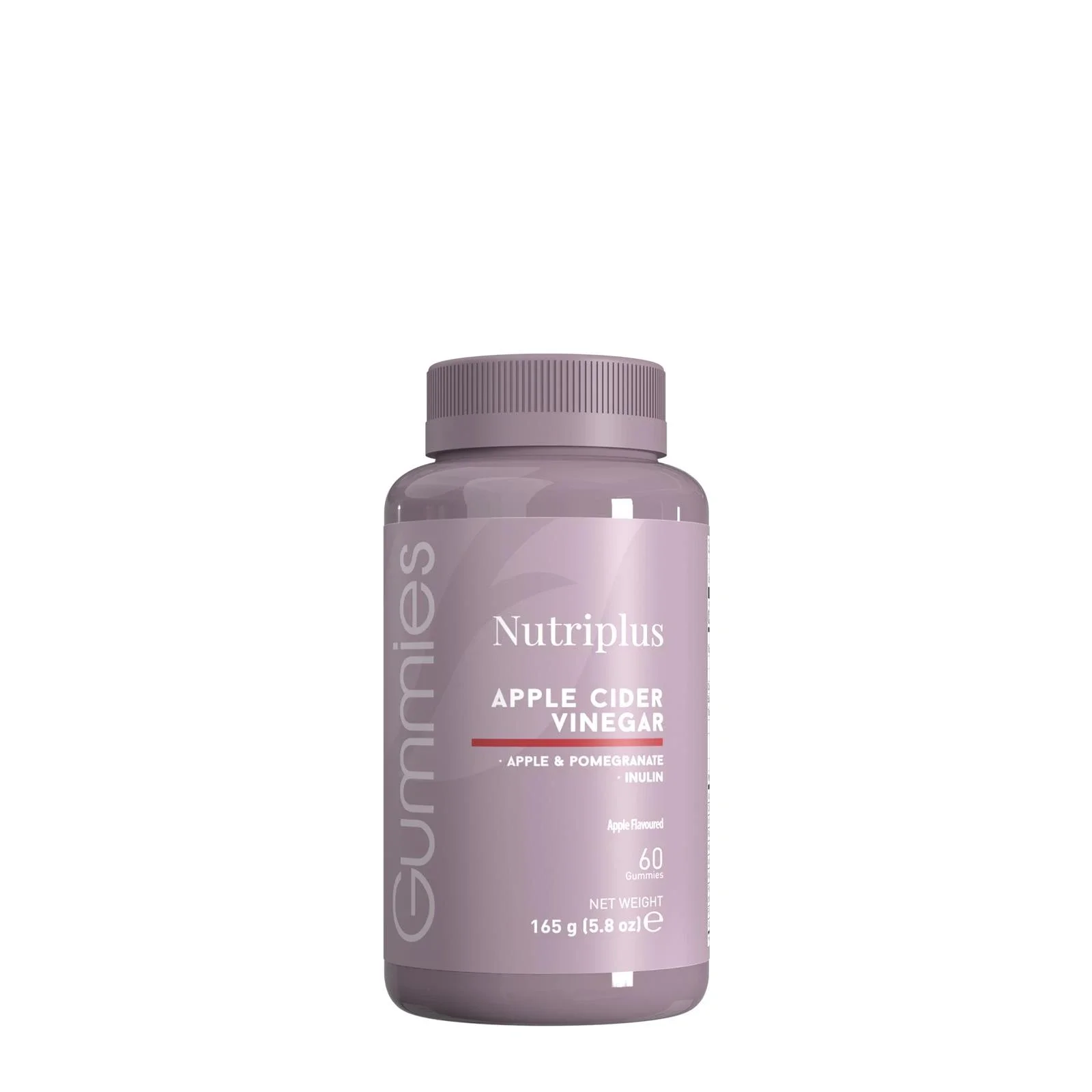
If you’re looking for a simple boost to complement your intermittent fasting results, Farmasi Apple Cider Vinegar Gummies and Farmasi Nutriplus Meal Replacement Shakes make a great addition to your daily routine. The Apple Cider Vinegar Gummies are a delicious, easy way to support digestion, reduce bloating, and help stabilize blood sugarsduring your eating window—all without the harsh taste of liquid ACV. Meanwhile, the Farmasi Meal Replacement Shakes provide a smooth, nutrient-rich formula packed with essential nutrients, plant-based proteins, and vitamins that help you meet your nutritional needs. They make an excellent quick lunch or snack within your eating window, especially if you're following a vegan intermittent fasting plan or a busy schedule. Combined, these supplements offer balanced support for weight loss, improved energy levels, and long-term weight management.
How to Build a Balanced Vegetarian Intermittent Fasting Meal Plan
Your meals should include:
Whole grains (quinoa, brown rice, oats)
Plant-based proteins (lentils, tempeh, tofu, beans)
Healthy fats (avocado, nuts, tahini, olive oil)
Vegetables (bell pepper, leafy greens, broccoli, carrots)
Whole fruits (g fruits depending on your daily totals)
Herbs & spices
Salt (just a pinch of salt)
Low-sodium condiments (mg sodium awareness)
To make meal prep easier, follow recipes that include cook times, pan sizes, and clear meal prep notes.
7-Day Vegetarian Intermittent Fasting Meal Plan
This plan uses a 12 PM–8 PM eating window, but you can adjust as needed.
Each day includes:
Lunch
Snack
Dinner
Optional mini-meal (still inside your eating window)
Cook using medium heat or medium-high heat, follow rice package instructions, and use a large pot, small bowl, or separate pan as noted.
Day 1 – High-Fiber Kickstart
Lunch (12 PM)
Quinoa Power Bowl
Cook quinoa according to rice package instructions
Add roasted bell pepper, broccoli, cherry tomatoes, and chickpeas
Drizzle with olive oil (healthy fats)
Add a squeeze of lemon
g fiber, g protein, balanced macros
Snack (3 PM)
Apple + Almond Butter
Great for blood sugars, energy, and fullness.
Dinner (6:30 PM)
Tempeh & Veggie Stir-Fry
Crumble tempeh and sauté on medium-high heat
Add soy sauce and a splash of water
Toss in veggies
Serve with brown rice
Meal prep note: Store tempeh mixture in an airtight container for next day leftovers.

Day 2 – Plant Protein Focus
Lunch
Lentil Vegetable Soup
Simmer lentils, carrots, celery, and onions in a large pot.
Snack
Greek yogurt (or plant yogurt) + berries.
Dinner
Black bean tacos with lettuce, salsa, avocado, and whole-grain tortillas.
Day 3 – Healthy Fats & Whole Grains
Lunch
Avocado toast on whole-grain bread with red pepper flakes.
Snack
Farmasi Meal Replacement Shake (inside your eating window).
Dinner
Vegetarian chili with kidney beans, tomatoes, onions, and a pinch of salt.
Day 4 – Fiber & Protein Balanced
Lunch
Vegetable wrap: mix greens, red onion, cucumber, hummus.
Snack
Handful of nuts + herbal tea.
Dinner
Refried beans (low sodium) + brown rice + sautéed bell pepper.
Day 5 – Vegan Intermittent Fasting Day
Lunch
Tofu veggie bowl with tahini dressing.
Snack
Fruit bowl (g fruits per serving).
Dinner
Curry lentils served with quinoa.
Day 6 – Lighter, Lower-Calorie Day
Lunch
Zucchini noodle pasta with marinara.
Snack
Carrots + hummus.
Dinner
Vegetable stir-fry with tofu and sesame seeds.
Day 7 – Alternate Day Inspired Reset
This day mirrors a lighter, alternate day structure but still within the 8-hour eating window.
Lunch
Green smoothie with spinach, banana, almond milk.
Snack
Apple cider vinegar gummies (inside eating window) + nuts.
Dinner
Stuffed bell peppers with quinoa, tomatoes, and black beans.
Full Grocery List
Whole Grains
Brown rice
Quinoa
Oats
Whole-grain bread
Whole-grain tortillas
Plant-Based Proteins
Lentils
Chickpeas
Tempeh
Tofu
Black beans
Refried beans (low sodium)
Kidney beans
Vegetables
Bell pepper
Spinach
Broccoli
Carrots
Celery
Lettuce
Mixed greens
Onions
Cucumbers
Fruits
Apples
Bananas
Berries
Fresh seasonal fruit
Healthy Fats
Olive oil
Almond butter
Avocado
Nuts
Tahini
Staples & Extras
Soy sauce
Herbal teas
Black coffee
Spices
Pinch of salt
Lemon
Almond milk
Tips for Intermittent Fasting Success
1. Start gradually
If a 16:8 schedule feels tough, begin with a 14:10.
2. Drink more water
Helps hunger, digestion, and cravings.
3. Prioritize protein and fiber
These keep you full during fasting hours.
4. Avoid overeating during your eating window
Stick to your plan and your daily totals.
5. Keep cook times simple
Most meals in this plan require minimal prep and straightforward instructions.
6. Remember your veggies
Plant-based meals help metabolic health, heart health, and weight loss.
7. Support your body outside the kitchen
Movement matters. Even 20 minutes of walking improves blood sugar levels and enhances your fasting results.
Vegetarian Intermittent Fasting Results: What to Expect
Most people begin noticing changes in:
Energy levels within the first week
Blood sugar control within 14–21 days
Weight loss within 2–4 weeks
Metabolic improvements after consistent daily practice
Brain function & clarity during morning fasting hours
Paired with a balanced vegetarian lifestyle, intermittent fasting is a great way to support long-term weight managementand overall health.
Final Thoughts
A vegetarian intermittent fasting meal plan offers a powerful combination of whole foods, smart timing, balanced nutrients, and a structured eating plan that truly works with your body. If you follow recipes, stay aware of your eating window, and build meals around plant-based proteins, whole grains, and healthy fats, you can achieve sustainable, long-term results.
Whether your goals include better digestion, consistent energy levels, or weight loss, this flexible plan helps you establish the habits that lead to healthier days—and healthier weeks, months, and days of the week.
If you're ready to take the next step, bookmark this guide, use the 7-day sample plan, and begin your journey into a more energized, mindful, plant-forward lifestyle.